
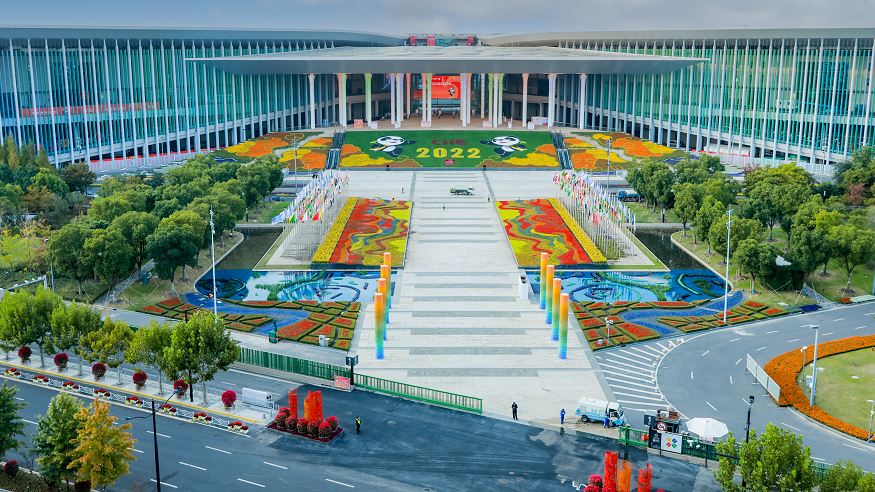

The 5th China International Import Expo (CIIE), held from November 5 to 10, 2022, in Shanghai, marked a significant milestone in global trade and economic cooperation. As the world’s first import-themed national-level expo, CIIE underscored China’s commitment to opening its markets to international businesses and fostering a more inclusive global economy. The event was organized by the Ministry of Commerce of the People’s Republic of China and the Shanghai Municipal People’s Government, aiming to promote trade liberalization and economic globalization.
Overview of the Expo
Participation and Scale
- Global Engagement: The expo attracted 145 countries, regions, and international organizations, showcasing a diverse and inclusive platform for international cooperation.
- Exhibitors: Over 2,900 exhibitors participated, including more than 280 Fortune 500 companies and industry leaders.
- Attendees: The event drew approximately 480,000 professional visitors, including international buyers and domestic purchasers.
Exhibition Areas
The expo featured six main exhibition areas, each highlighting key industries and sectors:
- Food and Agricultural Products: Showcasing global delicacies, organic foods, and agricultural innovations.
- Automobiles: Featuring the latest in automotive technology, electric vehicles, and intelligent driving solutions.
- Intelligent Industry & Information Technology: Presenting advancements in artificial intelligence, robotics, and industrial automation.
- Consumer Goods: Displaying a wide range of consumer products, from fashion and beauty to household items.
- Medical Equipment & Healthcare Products: Introducing cutting-edge medical technologies, pharmaceuticals, and wellness products.
- Trade in Services: Highlighting financial services, tourism, cultural exchange, and education.
Key Highlights
- Product Debuts: Over 400 new products, technologies, and services made their debut in the Chinese market at the expo.
- Green and Sustainable Development: A focus on environmentally friendly technologies and sustainable practices was evident throughout the exhibitions.
- Digital Integration: Enhanced virtual expo platforms allowed for greater international participation despite travel restrictions, leveraging digital technology to bridge gaps.
Southern Africa’s Participation
Strong Representation
Southern African countries seized the opportunity to strengthen economic ties with China, showcasing their unique offerings and investment potential.
- Participating Nations: South Africa, Namibia, Botswana, Zimbabwe, Zambia, and Mozambique were among the active participants from the region.
- Delegations: Government officials, trade ministers, and business leaders led delegations to engage in high-level discussions and B2B meetings.
Showcased Products and Services
- Agricultural Exports:
- South Africa highlighted its world-renowned wines, citrus fruits, and premium teas like rooibos and honeybush.
- Namibia and Botswana promoted their high-quality beef products, capitalizing on China’s growing demand for premium meats.
- Minerals and Commodities:
- Zimbabwe showcased its rich mineral resources, including platinum, gold, and diamonds.
- Zambia emphasized its copper exports and potential for investment in mining infrastructure.
- Tourism and Culture:
- Mozambique and South Africa promoted tourism destinations, cultural heritage sites, and safari experiences to attract Chinese tourists.
- Manufactured Goods:
- Handicrafts, textiles, and artisanal products were displayed, aiming to tap into China’s consumer market seeking unique and culturally rich items.
Insights from the Southern Africa Perspective
Strengthening Bilateral Trade Relations
- Economic Partnerships: The expo facilitated deeper economic ties between Southern African countries and China, with a focus on mutually beneficial trade agreements.
- Market Access: Southern African exporters viewed CIIE as a strategic platform to gain access to China’s vast consumer base, diversify their export markets, and reduce reliance on traditional trading partners.
Key Agreements and Deals
- Trade Contracts:
- South African wine producers secured contracts worth over $100 million, expanding distribution networks across China.
- Namibian beef exporters finalized agreements to increase beef shipments by 20%, meeting the rising demand for quality meat products.
- Memorandums of Understanding (MOUs):
- Zimbabwe signed MOUs focused on mining collaboration, technology transfer, and infrastructure development.
- Botswana entered agreements to supply diamonds directly to Chinese jewelers, enhancing value-added processing within Botswana.
Addressing Challenges
- Logistics and Supply Chain: Southern African exporters discussed challenges related to shipping times, costs, and the need for improved maritime and air links.
- Regulatory Compliance: Ensuring products met China’s stringent quality standards and import regulations was a priority, prompting collaboration with Chinese authorities for smoother customs processes.
- Cultural and Language Barriers: Efforts were made to overcome language barriers by employing Mandarin-speaking staff and creating marketing materials tailored to Chinese consumers.
Opportunities for Growth
- E-commerce Platforms: Southern African businesses explored partnerships with Chinese e-commerce giants like Alibaba and JD.com to reach consumers directly through online marketplaces.
- Investment in Processing Facilities: Discussions around joint ventures to establish processing plants in Southern Africa aimed at increasing local value addition before exporting to China.
- Tourism Promotion: Targeted campaigns were launched to attract Chinese tourists, emphasizing unique wildlife experiences, cultural festivals, and luxury safari lodges.
Impact on Southern Africa
Economic Diversification
- Increased Exports: The expo provided a significant boost to exports, contributing to economic growth and job creation in sectors like agriculture, mining, and manufacturing.
- Investment Inflows: Engagements at CIIE led to commitments of Chinese investment in infrastructure projects, technology development, and capacity building in Southern African countries.
Enhancing Global Competitiveness
- Quality Improvements: To meet international standards, Southern African producers invested in improving product quality, packaging, and branding, enhancing their competitiveness globally.
- Technology Adoption: Exposure to new technologies at the expo encouraged the adoption of innovative solutions in production and supply chain management.
Case Studies
South African Wine Industry
- Market Penetration: South African wines gained increased visibility, with vineyards like Stellenbosch and Franschhoek securing shelf space in major Chinese retail outlets.
- Consumer Education: Tastings and educational events were held to introduce Chinese consumers to the diversity of South African wines, emphasizing unique varietals like Pinotage.
Namibian Beef Exporters
- Quality Recognition: Namibia’s free-range, hormone-free beef attracted health-conscious Chinese consumers.
- Brand Establishment: Efforts were made to establish Namibian beef as a premium brand in China, differentiating it from competitors.
Future Prospects
Sustained Engagement
- Annual Participation: Southern African countries committed to participating in future CIIEs, recognizing the expo as a vital platform for trade and diplomacy.
- Strategic Partnerships: Continued collaboration with Chinese enterprises is expected to expand into sectors like renewable energy, telecommunications, and education.
Policy Support
- Government Initiatives: Southern African governments are expected to implement policies that facilitate trade, such as export incentives, trade facilitation measures, and support for SMEs entering international markets.
Cultural Exchange and Soft Diplomacy
- People-to-People Connections: Increased tourism and cultural exchanges are anticipated to strengthen mutual understanding and goodwill between China and Southern Africa.
- Education and Training: Scholarships and exchange programs will enhance skills development and foster long-term relationships.
Conclusion
The 5th China International Import Expo 2022 was more than an exhibition—it was a convergence point for global cooperation, economic development, and cultural exchange. For Southern African nations, the expo presented unparalleled opportunities to showcase their products, attract investment, and engage directly with one of the world’s largest consumer markets.
The insights gleaned from the expo highlight the potential for Southern Africa to leverage international platforms to drive economic growth, diversify export markets, and build resilient trade relationships. By capitalizing on these opportunities, Southern African countries can enhance their global standing and contribute to a more interconnected and prosperous world economy.